Sourcing & ESG impact
Making the standing forest more valuable
When wild Amazonian fruit is worth more than cleared land, the forest stays standing. That is the idea behind every ingredient we sell.
+18.9%
average harvester income above the regional minimum wage (2025, same-year basis)
259
farming families earning above the regional minimum wage (2025)
754 ha
of Amazonian agroforest under sustainable management (2025)
€2.3M
income generated for harvesters in 2025
Our mission
Turning the richness of the Amazon into healthy nutrition for the world
The forest is preserved
Wild harvesting gives the standing forest an economic value, so it is protected rather than cleared.
Local communities thrive
We buy directly from farming families, at a 30–50% premium over the market price and on contracts of 5 years or more, creating steady income across the Amazon supply chain.
Clean food for the world
Consumers everywhere get access to clean, natural and functional food from the Amazon.
How we source
01
Direct from families
We work directly with trusted farmers and harvest fruit at peak ripeness.
02
Processed near the source
Our group's facility in Amapá turns fresh fruit into purée and other formats quickly.
03
Tested batch by batch
Every batch is analysed in accredited third-party labs following strict analysis plans.
04
Fully traceable
From the farming family to the end customer, every batch can be traced through our ERP system. Our supply chain is IFS Broker certified.
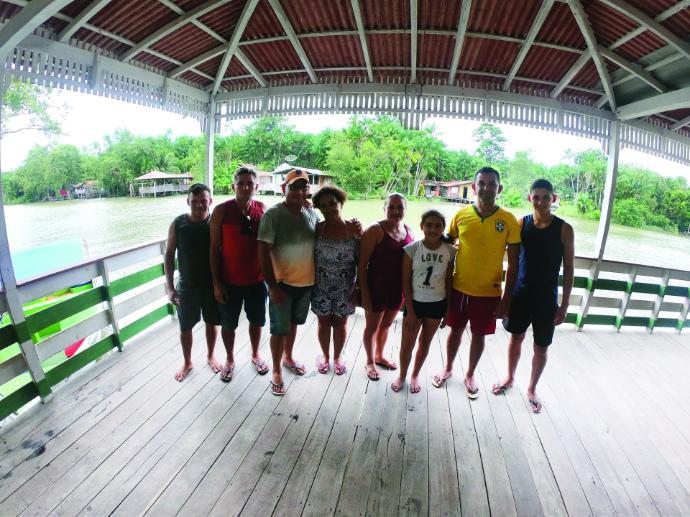
In the field
The people behind our fruit


Our 2027 commitments
Where we are heading
These targets are part of our Sustainability Bond Framework. In July 2026, DNV issued an independent Second Party Opinion on the framework's alignment with the ICMA Green Bond Principles, Social Bond Principles and Sustainability Bond Guidelines. We report our progress every year.
Agroforest
754 → 3,442 ha
of Amazonian agroforest under sustainable management (2025 → 2027)
Farming families
259 → 1,178
families earning above the regional minimum wage (2025 → 2027)
Fair income
+18.9%
average harvester income above the regional minimum wage, same-year basis (2025)
Clean energy
100%
renewable energy in processing by 2027
Zero waste
0%
waste to landfill by 2028, with all by-products valorised (biochar, animal feed)
Water
3.0 → 2.0 L/kg
water used per kilogram of fruit processed
Women
≥ 40%
women in our workforce or cooperative leadership
Carbon
2026–27
target to certify forest CO₂ under Verra / Gold Standard and biochar CO₂ under EBC. We will only publish certified volumes.
Impact report
Our figures, reported openly
Our ESG report covers the families we work with, the land under sustainable management and the income our sourcing generates. We show clearly which figures are measured and which are estimates, and we explain how each one is calculated.
Land
Fruit volume ÷ yield per hectare by species (EMBRAPA densities). Checked quarterly by satellite and field audits.
Families & income
Purchase records compared with the official CAGED regional wage, twice a year.
Carbon
Published only after Verra / Gold Standard certification.